Industrial Pressure Transmitters in Saharanpur | +91 91500 28020
Get #1 Industrial Pressure Transmitters in Saharanpur at Can Automation ✓Gauge Pressure Transmitters ✓High-Pressure & Digital Transmitters ✓9150028020
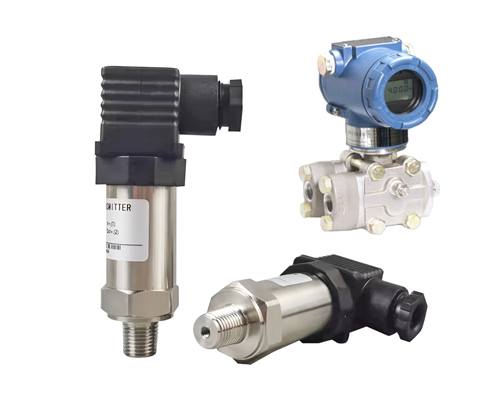
Looking for industrial pressure transmitters in Saharanpur? At Can Automationfind pressure measurement solutions for manufacturing, process industries, water treatment, hydraulics, and industrial automation applications. Industrial pressure transmitters are essential instruments used to measure and monitor pressure in industrial processes, machinery, pipelines, tanks, hydraulic systems, and fluid handling applications. These instruments convert pressure into an electrical signal that can be monitored by programmable logic controllers (PLCs), distributed control systems (DCS), digital displays, and other industrial automation equipment.
Businesses searching for industrial pressure transmitters in Saharanpur require reliable measurement solutions to improve process control, maintain operating stability, support equipment protection, and monitor industrial performance. Saharanpur is an important manufacturing and engineering hub, with industries spanning automotive manufacturing, pharmaceuticals, chemicals, food processing, water treatment, power generation, and industrial automation.
Industrial pressure transmitters are available in different pressure ranges, output signals, connection types, sensing technologies, and enclosure ratings. Selecting the appropriate instrument depends on the process medium, operating pressure, temperature, required accuracy, installation environment, and compatibility with the control system.
Whether you need pressure transmitters for a new industrial installation, process automation project, equipment upgrade, or replacement application, understanding the available options helps you choose a suitable solution.
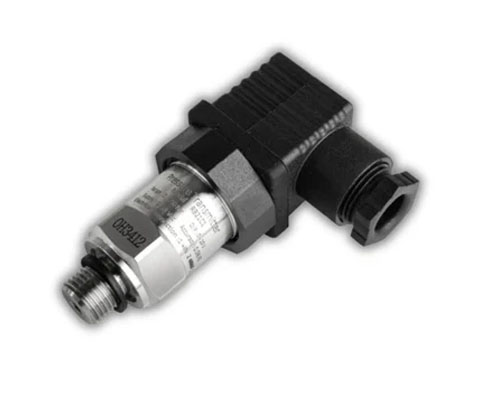
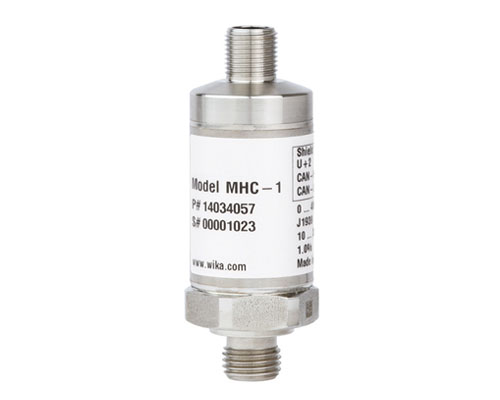
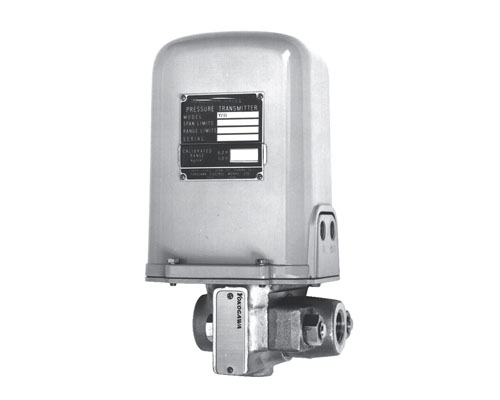
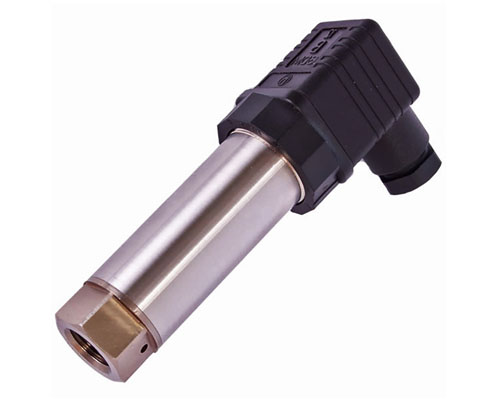
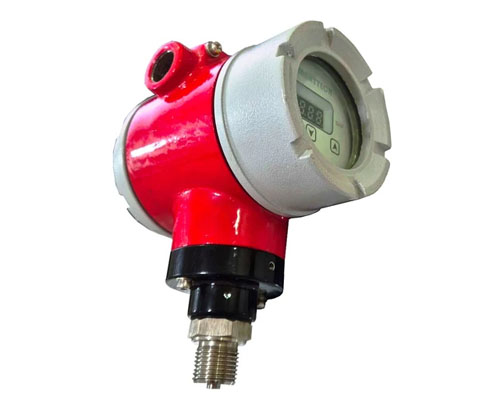
An industrial pressure transmitter is an electronic measuring instrument that senses the pressure of a gas, liquid, steam, or compatible process medium and converts it into a standard electrical output.
The output signal allows operators and automation systems to monitor pressure remotely. Depending on the transmitter model, the signal may be transmitted through a 4–20 mA current loop, voltage output, HART communication, or a digital industrial communication interface.
Pressure transmitters are commonly installed in pipelines, pumps, compressors, hydraulic power packs, pressure vessels, filtration systems, boilers, and process equipment.
They help industrial operators monitor process conditions, identify abnormal pressure changes, maintain production consistency, and integrate measurement data into automated control systems.
Gauge pressure transmitters measure pressure relative to the surrounding atmospheric pressure. They are commonly used in industrial applications where the pressure inside a system must be compared with atmospheric conditions.
Typical applications include air compressors, water pumps, hydraulic systems, pneumatic equipment, and industrial pipelines.
Gauge pressure transmitters are available in different measuring ranges depending on the pressure requirements of the application.
Absolute pressure transmitters measure pressure relative to a perfect vacuum. They are suitable for processes where atmospheric pressure variations must be accounted for.
Applications may include vacuum systems, specialised process equipment, laboratory installations, and certain chemical or pharmaceutical processes.
The required measurement range and process compatibility should be confirmed before selecting a model.
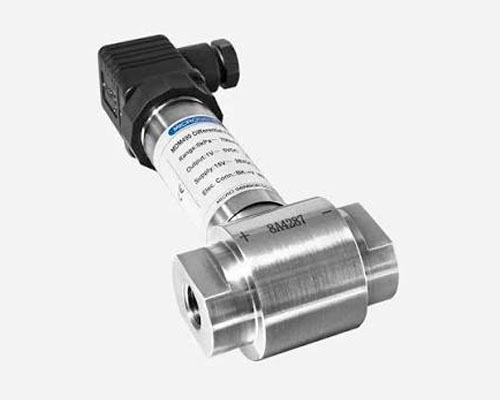
Differential pressure transmitters measure the difference between two pressure points. They are commonly used to monitor filter conditions, measure flow through suitable primary elements, and determine liquid levels in certain tanks.
Typical applications include:
The selection should consider the differential range, static line pressure, process connections, and installation arrangement.
Hydraulic pressure transmitters are designed for pressure measurement in hydraulic circuits and fluid power systems.
They may be installed in hydraulic power packs, industrial presses, injection moulding machines, lifting systems, mobile machinery, and other equipment that uses pressurised hydraulic fluid.
Important selection factors include maximum operating pressure, pressure spikes, fluid compatibility, mechanical connection type, and resistance to vibration.
Pneumatic pressure transmitters monitor pressure in compressed-air systems and other compatible gas applications.
They are used in manufacturing facilities, automation systems, pneumatic machinery, air preparation units, and compressor installations.
Depending on the application, the instrument may be used to monitor supply pressure, identify pressure drops, or provide feedback to an automated control system.
High-pressure transmitters are intended for applications requiring measurement above the ranges supported by standard low- or medium-pressure instruments.
Potential applications include hydraulic testing equipment, industrial presses, high-pressure pumping systems, and specialised process machinery.
The maximum working pressure, overload capability, pressure connection, and suitability for pressure cycling must be verified against the actual operating conditions.
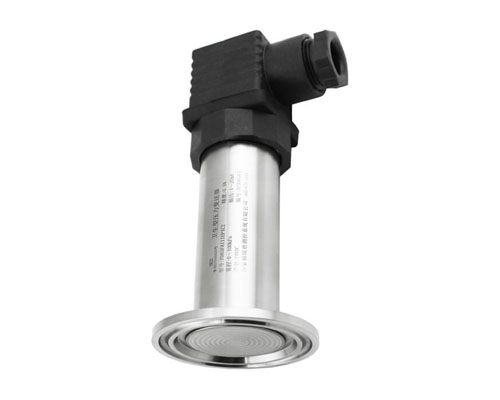
Sanitary pressure transmitters are designed for suitable food, beverage, pharmaceutical, and biotechnology processes where hygienic construction and cleanability are important.
Depending on the model, they may include hygienic process connections and materials suitable for specified cleaning procedures.
Buyers should confirm process-contact materials, required hygienic standards, cleaning-in-place requirements, and compatibility with the process medium.
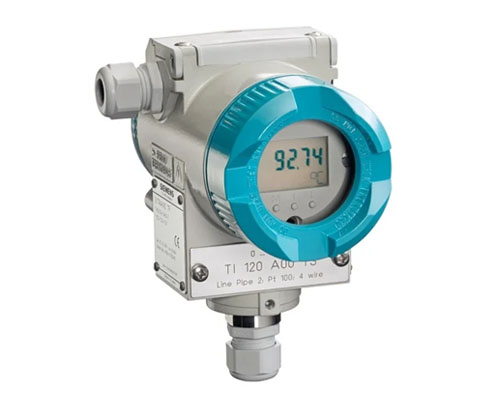
Digital pressure transmitters may provide digital displays, configurable measuring ranges, diagnostic information, or digital communication features.
These instruments can be useful in process automation projects where technicians need convenient setup, local readings, or communication with compatible control and monitoring systems.
Available functions differ by manufacturer and model.
When purchasing industrial pressure transmitters in Saharanpur, review the following specifications.
| Specification | Details to Verify |
| Measurement type | Gauge, absolute, or differential pressure |
| Pressure range | Minimum and maximum operating pressure |
| Accuracy | Manufacturer-specified accuracy and reference conditions |
| Output signal | 4–20 mA, voltage, HART, or supported digital interface |
| Supply voltage | Required DC or other specified power supply |
| Process connection | Thread type, flange, sanitary fitting, or other connection |
| Wetted materials | Compatibility with the process medium |
| Seal material | Suitability for temperature, pressure, and chemical exposure |
| Operating temperature | Process and ambient temperature limits |
| Overpressure rating | Permitted pressure above the measuring range |
| Enclosure protection | Required IP rating for the installation environment |
| Electrical connection | Cable gland, connector, terminal, or other arrangement |
| Communication | HART or other compatible communication protocol |
| Calibration | Traceability, documentation, and calibration requirements |
| Approvals | Required hazardous-area, hygienic, or other application approvals |
Specifications differ between models. Always consult the relevant datasheet and verify the complete operating conditions before placing an order.
Saharanpur’s manufacturing and engineering industries require measurement instruments for process control, equipment monitoring, and industrial automation. Sourcing industrial pressure transmitters in Saharanpur can help businesses evaluate solutions for local projects, maintenance requirements, machinery manufacturing, and system integration.
When selecting a supplier, consider whether the company can provide suitable product options, datasheets, technical specifications, and guidance on selecting a transmitter for the intended process.
Industrial buyers should confirm the product’s availability, delivery timelines, warranty terms, calibration documentation, and technical support directly with the supplier.
For specialised applications, provide complete process details before requesting a quotation. This helps reduce the risk of selecting a transmitter with an unsuitable measuring range, process connection, output signal, or material specification.
Original equipment manufacturers, automation companies, and system integrators may require pressure transmitters for machinery, process skids, pumping systems, filtration units, and specialised industrial equipment.
For OEM projects, confirm the required pressure range, output type, process connection, mounting arrangement, supply voltage, environmental rating, and expected operating conditions.
System integrators should also verify compatibility with PLC analogue input modules, signal conditioners, communication interfaces, and monitoring software.
For replacement orders, record the existing transmitter’s model number, measuring range, electrical output, connection details, and material specifications. A replacement unit should not be selected by physical appearance alone.
Correct installation helps ensure reliable pressure measurement and reduces the risk of inaccurate readings. Important practices include:
Pressure systems can contain stored energy and hazardous media. Isolate and depressurise the system using approved procedures before removing or servicing a transmitter. Installation and maintenance should be performed by qualified personnel.
Industrial pressure transmitters are important instruments for accurate pressure monitoring, process automation, equipment performance assessment, and industrial system control. Selecting the right transmitter requires careful consideration of pressure range, measurement type, output signal, process compatibility, environmental conditions, and installation requirements.
Businesses looking for industrial pressure transmitters in Saharanpur should compare technical specifications and supplier support before purchasing. A suitable instrument can help provide reliable process information, support preventive maintenance, and improve the integration of pressure measurement into industrial automation systems.
Enquire About Industrial Pressure Transmitters in Saharanpur
Are you looking for industrial pressure transmitters for manufacturing, hydraulic systems, water treatment, chemical processing, or process automation?
ContactCan Automationsupplier in Saharanpur to discuss your application and identify a transmitter that meets your measurement requirements.
Request a quotation today. Share your required pressure range, process medium, output signal, connection type, operating temperature, and quantity to receive a more relevant product recommendation and quotation.
An industrial pressure transmitter measures the pressure of a compatible process medium and converts the measurement into an electrical signal for monitoring, recording, or automated control.
They are used in manufacturing plants, water treatment facilities, chemical processing, hydraulic systems, compressors, pumps, HVAC systems, and other industrial applications.
A pressure sensor detects pressure and produces a corresponding sensing signal. A pressure transmitter generally incorporates signal conditioning and provides a standardised output suitable for connection to a monitoring or control system. Product terminology can vary by manufacturer.
A 4–20 mA pressure transmitter converts the measured pressure into a current signal within a specified range. Industrial control systems commonly use this signal because it is suitable for many long-distance industrial measurement loops when correctly installed.
It measures the difference between two pressure points. Common applications include filter monitoring, HVAC pressure measurement, certain flow measurement arrangements, and selected tank-level applications.
Identify the normal operating pressure, expected variations, possible pressure spikes, and required measurement resolution. Confirm the transmitter’s range and overpressure rating against the actual application.
Yes. Many transmitters can connect to compatible PLC systems through analogue signals such as 4–20 mA or voltage outputs. Digital communication may also be available on certain models.
Calibration requirements depend on the application, accuracy needs, operating conditions, and quality procedures. Regular verification and calibration help identify measurement drift and maintain confidence in the readings.
Pricing depends on the measurement range, accuracy, transmitter type, output signal, process connection, wetted materials, enclosure protection, communication options, certifications, and quantity required.
Provide the application, process medium, operating pressure, required measuring range, output signal, process connection, temperature conditions, quantity, and any required approvals. An existing model number or datasheet is helpful for replacement requirements.
Bathinda, Ludhiana, Sangrur, Sri Ganganagar, Rajkot, Pune, Kolhapur, Bhopal, Belagavi, Mandya, Erode, Saharanpur