Motion Control Systems in Rajkot | +91 91500 28020
Get Motion Control Systems in Rajkot at Can Automation ✓Servo Motor Systems ✓Servo Drives ✓PLC-Based Motion Control ✓Stepper Motor Systems ✓9150028020
Looking for motion control systems in Rajkot? At Can Automation find servo motors, servo drives, motion controllers, PLCs, positioning systems and industrial automation solutions for manufacturing applications. Motion control systems play an important role in modern industrial automation by controlling the movement, speed, position and torque of machines and equipment. These systems help manufacturers achieve accurate positioning, smooth machine operation, repeatable production cycles and improved manufacturing efficiency.
Businesses looking for motion control systems in Rajkot can explore automation components and solutions suitable for machine manufacturing, packaging, automotive production, robotics and other industrial applications.
Rajkot is a major industrial hub, with manufacturing facilities operating in automotive engineering, electronics, pharmaceuticals, packaging, food processing, material handling and industrial machinery. These industries require precise motion control technology to improve production quality, minimize positioning errors and coordinate multiple machine movements.
Motion control systems typically include servo motors, servo drives, motion controllers, encoders, programmable logic controllers (PLCs), sensors, communication networks and associated accessories. Depending on the application, these components work together to manage linear or rotary motion and coordinate automated machine operations.
Choosing the right motion control system depends on the required positioning accuracy, operating speed, load characteristics, torque, machine cycle time and integration requirements. Reliable component selection and appropriate system configuration can help improve equipment performance and support long-term production reliability.
Motion control systems are automation solutions designed to regulate the movement of machines and mechanical equipment. They control parameters such as position, speed, acceleration, deceleration and torque according to programmed instructions.
These systems are widely used when machines must move components accurately, repeat movements consistently or synchronize multiple axes of motion.
For example, a packaging machine may use a motion controller and servo drive to move products to precise positions during filling, sealing or labelling. A CNC machine may use coordinated motion axes to guide cutting tools along programmed paths.
Motion control technology is also important in robotic systems, automated assembly lines, printing machinery, pick-and-place equipment and precision manufacturing systems.
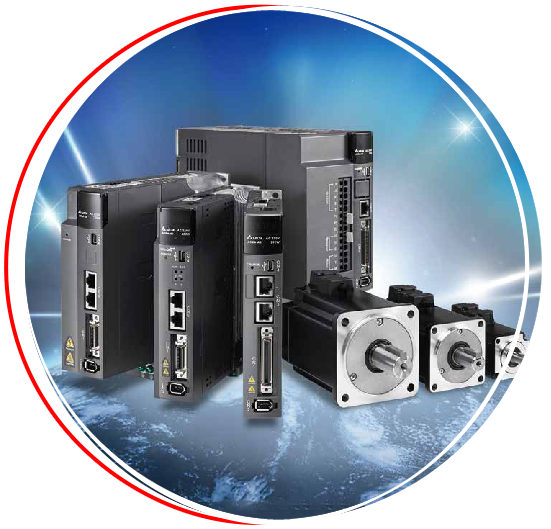
Servo motors are widely used in industrial applications that require precise control of position, speed and torque. They commonly operate with compatible servo drives and feedback devices to provide controlled movement.
Applications include:
When selecting a servo motor, consider rated torque, peak torque, operating speed, motor inertia, mounting arrangement and environmental conditions.
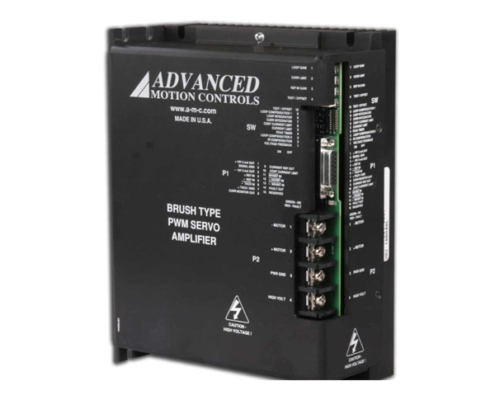
Servo drives control the power supplied to servo motors and regulate their movement based on command signals and feedback.
They are used in applications requiring accurate motion, fast response and controlled acceleration or deceleration.
Important selection factors include motor compatibility, voltage, current rating, control mode, feedback interface, communication protocol and safety features.
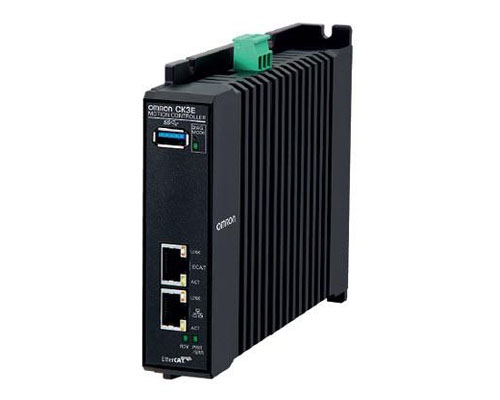
Motion controllers generate and coordinate motion commands for one or more axes. They may control position, speed, acceleration and synchronization according to the requirements of the machine.
Depending on the application, motion controllers may operate independently or integrate with PLCs, industrial computers and other automation systems.
Typical applications include robotic equipment, CNC systems, electronic assembly machines and automated packaging lines.
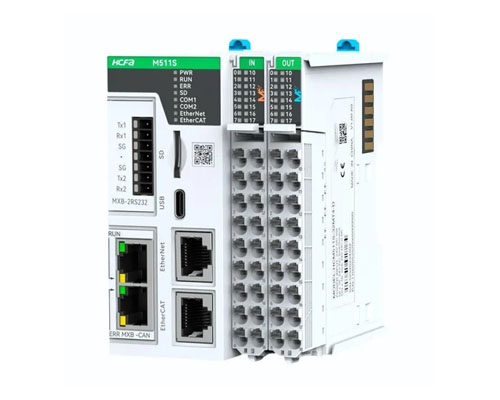
Programmable logic controllers are used to coordinate machine operations and, when equipped with appropriate motion capabilities, control positioning and movement.
PLC-based motion control can combine machine sequencing, sensor monitoring, actuator control and motion coordination within a common automation architecture.
It is commonly used in conveyors, assembly systems, industrial machinery and production lines.
Stepper motors move in defined increments and are used in applications where controlled positioning is required. Depending on the design and operating conditions, they may provide a cost-effective option for relatively simple motion tasks.
Typical applications include small automation equipment, laboratory devices, dispensing machines, positioning mechanisms and selected packaging systems.
The choice between a stepper motor and a servo system depends on speed, torque, accuracy, load variation, required feedback and performance requirements.
Linear motion systems produce controlled movement along a straight path. They may include linear actuators, linear motors, guide rails, ball screws, positioning stages and compatible drive systems.
These systems are used in inspection equipment, automated assembly, material handling, machine tools and precision positioning applications.
Important considerations include travel distance, load capacity, positioning accuracy, rigidity, speed and environmental conditions.
Encoders provide information about motor position, rotation or movement. Compatible feedback devices help motion controllers and servo drives monitor actual movement and adjust operation as required.
Encoder selection depends on resolution, accuracy, interface, mounting arrangement and compatibility with the selected drive or controller.
Multi-axis motion control systems coordinate the movement of multiple motors or mechanical axes. They are useful for machinery that performs synchronized movements or follows complex motion profiles.
Applications include CNC machines, robotic systems, converting equipment, automated assembly and advanced packaging machinery.
A suitable multi-axis solution requires careful planning of controller capacity, drive selection, communication, synchronization and machine safety.
No products found which match your selection.
Motion control technology supports a broad range of industrial activities in Rajkot and surrounding manufacturing areas.
Selecting a suitable motion control supplier is important for ensuring product compatibility, technical performance and reliable operation.
Consider the following factors before purchasing:
The best system is not necessarily the one with the lowest purchase price. It should meet the machine’s performance requirements and remain practical to operate and maintain.
Machine manufacturers depend on motion control systems to develop equipment that performs accurate and repeatable movements. Servo motors, servo drives, motion controllers, encoders and linear motion components are commonly integrated into machines designed for specific production tasks.
During system design, engineers evaluate the load, motor sizing, acceleration, deceleration, positioning requirements, mechanical transmission and feedback architecture.
Proper sizing helps avoid problems such as insufficient torque, excessive motor heating, vibration, unstable movement and unnecessary component costs. Machine safety and emergency-stop requirements must also be considered as part of the overall design.
Factories may upgrade existing machines to improve positioning accuracy, production speed, synchronization or control capabilities. Depending on the machine architecture, an upgrade may involve replacing obsolete servo drives, installing compatible controllers, adding feedback devices or improving communication between automation components.
Before implementing an upgrade, the existing motor ratings, mechanical condition, wiring, controller compatibility and safety functions should be assessed.
Professional integration can help minimize commissioning problems and ensure the new components work correctly with the existing equipment.
Businesses searching for motion control systems in Rajkot may also require:
Motion control systems are important for manufacturers seeking accurate positioning, smooth movement, repeatable production cycles and improved automation performance. From servo motors and drives to motion controllers, encoders and multi-axis systems, choosing compatible components is essential for dependable machine operation.
If you are searching for motion control systems in Rajkot, assess your application requirements, compare qualified suppliers and verify technical compatibility before making a purchase.
Looking for motion control systems in Rajkot? ContactCan Automation today to enquire about servo motors, servo drives, motion controllers, positioning equipment and industrial motion control solutions suited to your machinery and automation requirements.
A motion control system is an automation solution used to control the position, speed, acceleration and torque of motors or mechanical equipment. It may include motors, drives, controllers, feedback devices and communication interfaces.
Motion control systems are used in automotive manufacturing, CNC machinery, packaging, electronics, pharmaceuticals, food processing, robotics and industrial automation.
Servo systems commonly use feedback to regulate movement and are suitable for applications requiring precise control and dynamic performance. Stepper motors move in defined increments and may suit simpler positioning tasks. The correct choice depends on application requirements.
Consider load torque, speed, acceleration, inertia, duty cycle, mounting requirements and feedback needs. Verify that the motor is compatible with the selected servo drive and controller.
A multi-axis system coordinates multiple motors or mechanical axes to perform synchronized movements. It is commonly used in CNC machines, robotics and complex automated production equipment.
Yes. Many motion control systems can integrate with PLCs through supported hardware and communication interfaces. The available functions depend on the controller, drive and system architecture.
They can improve repeatability, positioning accuracy and movement coordination. Actual productivity gains depend on machine design, process bottlenecks, system configuration and operating conditions.
Support varies by supplier. Can Automation provide application assistance, configuration, integration or commissioning services. Confirm the specific services available before placing an order.
Provide details such as application, motor power or torque, required speed, travel distance, load, number of axes, controller requirements, preferred manufacturer and quantity. Existing model numbers or machine drawings can also help.
Follow Can Automation manufacturer’s maintenance instructions, inspect electrical connections and mechanical components, maintain suitable operating temperatures and monitor alarms or abnormal vibration. Any maintenance work should follow appropriate isolation and safety procedures.
Bathinda, Ludhiana, Sangrur, Sri Ganganagar, Rajkot, Pune, Kolhapur, Bhopal, Belagavi, Mandya, Erode, Saharanpur