Industrial Sensors for Automation in Sangrur | +91 91500 28020
Get #1 Industrial Sensors for Automation in Sangrur at Can Automation ✓Proximity Sensors ✓Temperature Sensors ✓Pressure & Level Sensors ✓9150028020
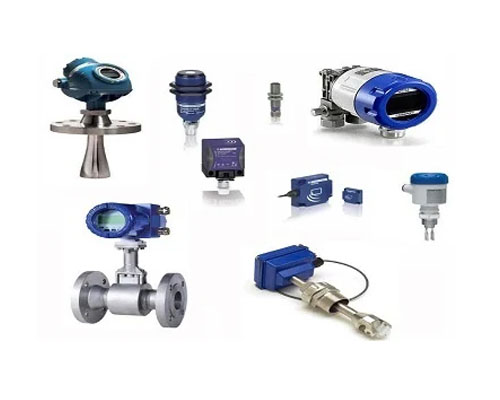
Looking for industrial sensors for automation in Sangrur? At Can Automationexplore proximity sensors, photoelectric sensors, temperature sensors, pressure sensors, level sensors and industrial automation solutions. Industrial sensors are essential components in modern automation systems, helping manufacturers detect objects, measure operating conditions, monitor processes and control machinery accurately. Businesses looking for industrial sensors for automation in Sangrur can source a wide range of sensing solutions for manufacturing plants, automotive industries, packaging machines, material handling systems and industrial process control applications.
Sangrur is one of leading industrial and manufacturing hubs, with businesses operating in automotive engineering, electronics, pharmaceuticals, food processing, packaging, machine building and general manufacturing. These industries depend on reliable industrial sensors to improve production consistency, monitor equipment performance and support automated operations.
Industrial sensors convert physical conditions, such as temperature, pressure, distance, position, flow or the presence of an object, into signals that can be used by control systems. These signals may be processed by programmable logic controllers (PLCs), industrial computers, motor drives or other automation equipment.
Selecting the right sensor is important for accurate detection, dependable operation and compatibility with existing machinery. Factors such as sensing range, output type, operating voltage, environmental protection, mounting arrangement and response time should be considered before purchasing.
Industrial sensor suppliers provide components used in factory automation, machine control, process monitoring and industrial equipment. Depending on their product range, suppliers may offer individual sensors, accessories, cables, connectors and compatible automation products.
When choosing Can Automation industrial sensors in Sangrur, businesses should evaluate product specifications, availability, manufacturer documentation, warranty terms and technical support. For specialized applications, assistance with sensor selection and integration can help reduce installation issues and improve system reliability.
Industrial sensors are used in both new automation projects and upgrades to existing machinery. They can help manufacturers automate repetitive tasks, detect production errors and monitor operating conditions without relying entirely on manual inspection.
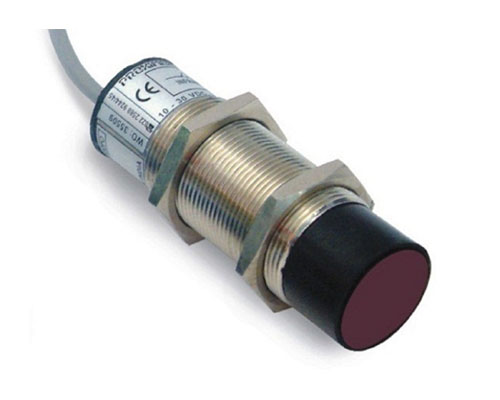
Proximity sensors detect the presence or approach of an object without requiring direct physical contact. They are widely used in automated machinery, assembly lines, conveyor systems and material handling equipment.
Common types include inductive and capacitive proximity sensors.
Inductive proximity sensors detect suitable metallic objects and are commonly used for metal part detection, machine positioning and component counting.
Capacitive proximity sensors can detect a wider variety of materials, depending on the sensor design and application. They may be used to detect plastics, powders, liquids and other non-metallic materials.
Benefits include:
When selecting a proximity sensor, check the target material, sensing distance, output type, switching frequency and mounting requirements.
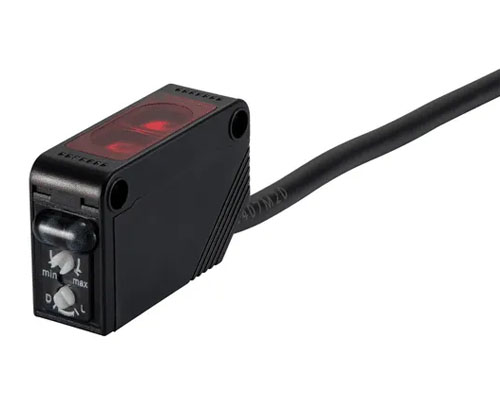
Photoelectric sensors use light to detect objects or changes in a target’s position. They are frequently used in packaging lines, conveyor systems, automated inspection and product counting applications.
Common configurations include through-beam, retro-reflective and diffuse-reflective sensors.
These sensors are suitable for detecting products on conveyors, monitoring package movement and identifying the presence or absence of objects during automated production.
Important selection factors include detection range, target colour and reflectivity, ambient light conditions, response time and environmental protection.
Temperature sensors measure the temperature of machinery, materials, liquids or industrial processes. They are used in ovens, furnaces, plastic processing equipment, heating systems, food processing and chemical manufacturing.
Common industrial temperature sensing options include:
The correct choice depends on the temperature range, required accuracy, response time, installation method and compatibility with the connected controller.
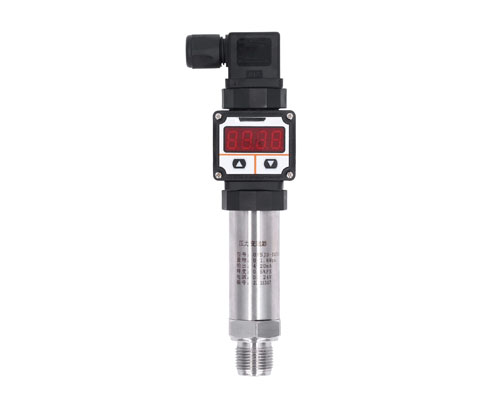
Pressure sensors monitor pressure in gases, liquids and industrial systems. They are used in hydraulic machinery, pneumatic equipment, compressors, pumps, process plants and fluid handling systems.
Depending on the application, pressure sensors may measure gauge pressure, absolute pressure or differential pressure.
Their output can be used by PLCs, controllers, monitoring equipment and alarms to support process regulation.
When selecting a pressure sensor, consider the operating pressure range, media compatibility, connection type, temperature range, output signal and required accuracy.
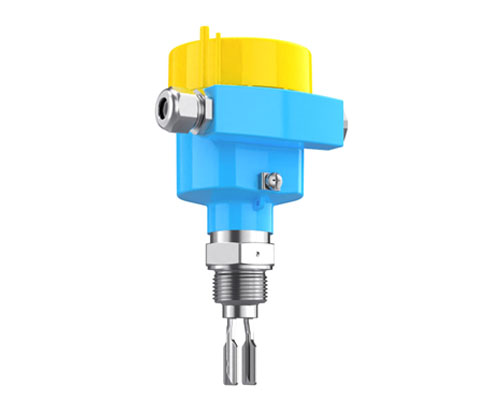
Level sensors monitor the level of liquids, powders or bulk materials in tanks, containers, hoppers and process vessels. Common technologies include float, capacitive, ultrasonic, radar and other application-specific sensing methods.
Industrial level sensors can support:
The suitable technology depends on the material being measured, tank geometry, operating temperature, vapour conditions and required measurement accuracy.
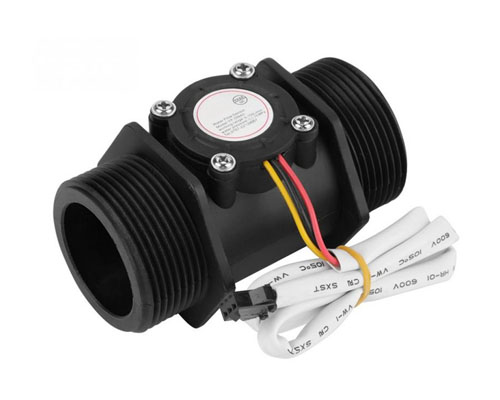
Flow sensors measure the movement or flow rate of liquids and gases through pipes and process systems. They are used in water treatment, chemical processing, cooling systems, food production and industrial utilities.
Depending on the application, flow measurement may use electromagnetic, ultrasonic, thermal, turbine or other technologies.
Selection factors include fluid properties, pipe size, flow range, pressure, temperature and the required output interface.
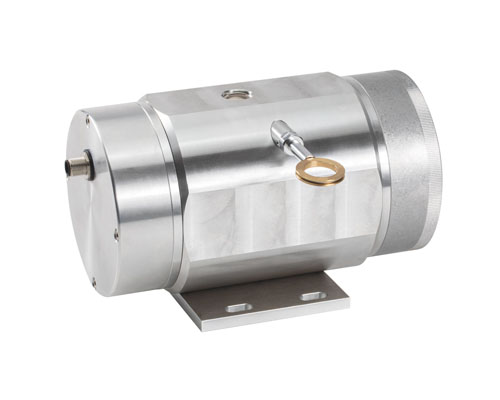
Position sensors identify the location of machine components, while displacement sensors measure changes in position or distance.
These sensors are used in machine tools, automated assembly, robotics, material handling and quality inspection systems.
Depending on the requirements, options may include linear displacement sensors, magnetic position sensors, encoders and laser displacement sensors.
They support positioning feedback, movement monitoring and selected dimensional inspection applications.
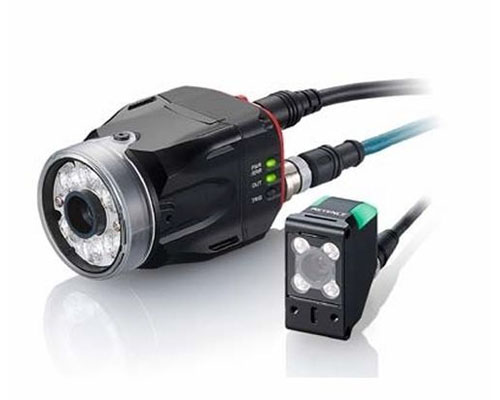
Industrial vision sensors use optical imaging and image-processing capabilities to identify objects, inspect features or verify product presence.
They can be used in automated inspection, packaging verification, component identification, orientation checking and manufacturing quality control.
The correct system depends on lighting, image resolution, processing speed, target characteristics and integration with the machine controller.
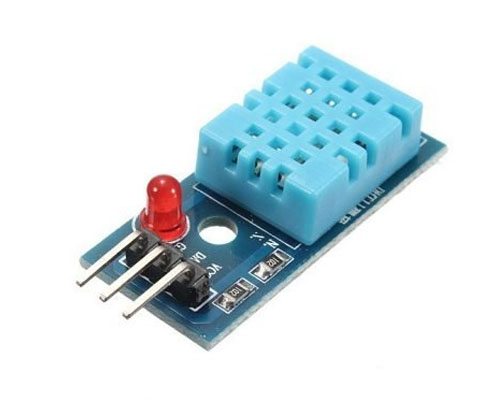
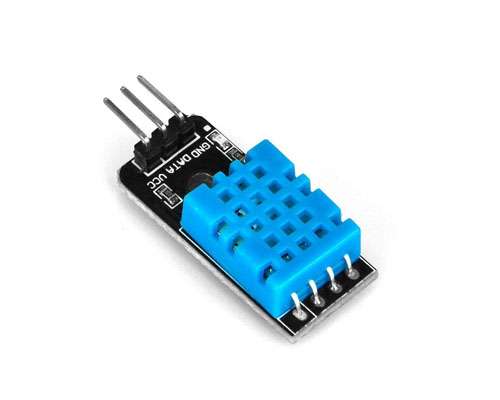
Humidity sensors measure moisture levels in air or other suitable environments. They are used in warehouses, pharmaceutical facilities, environmental monitoring systems, climate-controlled production areas and selected industrial processes.
Depending on the model, humidity sensors may provide analogue outputs, digital signals or network connectivity.
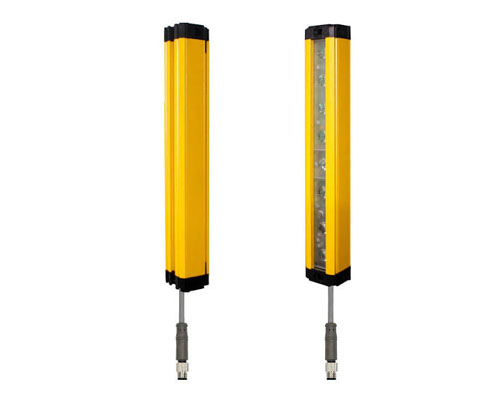
Industrial safety sensors help detect people or objects within defined hazardous areas and support machine safety functions when integrated into a properly designed safety system.
Examples include safety light curtains, safety laser scanners and certain safety-rated sensing devices.
These products must be selected according to the machine risk assessment, required safety performance and applicable standards. Ordinary proximity or photoelectric sensors should not be treated as safety devices unless specifically designed and certified for that purpose.
Industrial sensors are used across a wide range of industries in Sangrur and nearby manufacturing areas.
Selecting the right supplier is important for obtaining suitable products and ensuring compatibility with your automation system.
Consider these factors before purchasing:
A sensor should be selected based on the application’s technical needs rather than price alone. Incorrect sensing range, unsuitable output signals or poor environmental compatibility can cause detection errors and production interruptions.
Industrial sensors commonly work with PLCs and other automation controllers. Sensors provide input signals that allow the control system to determine whether an object is present, a process variable has changed or a machine condition requires action.
For example, a proximity sensor can detect a metal component on an assembly line. The PLC receives the signal and executes the programmed operation. Similarly, a level sensor can provide tank level information for monitoring or pump control.
Correct integration requires checking signal type, voltage levels, wiring arrangements, controller input compatibility and installation conditions. For analogue sensors, the measurement range and signal scaling must also be configured correctly.
Correct installation is essential for dependable sensor operation. Sensor position, mounting distance, wiring, target alignment and environmental conditions can affect performance.
Recommended practices include:
For critical process measurements, periodic verification or calibration may be necessary according to the sensor type and operational requirements.
Businesses searching for industrial sensors for automation in Sangrur may also require:
Industrial sensors are essential for reliable factory automation, accurate object detection, process monitoring and efficient machine operation. From proximity and photoelectric sensors to temperature, pressure, level, flow and position sensors, the right products help businesses automate industrial processes and maintain consistent operations.
If you are looking for industrial sensors for automation in Sangrur, identify your application requirements, verify technical compatibility and choose Can Automationsupplier that can provide suitable products and dependable support.
Contact us today to enquire about industrial sensors for automation in Sangrur. Request product specifications, availability and a competitive quotation for proximity sensors, photoelectric sensors, temperature sensors, pressure sensors and other industrial sensing solutions suited to your requirements.
Industrial sensors detect objects, measure physical parameters and provide input signals to automation systems. They are used for machine control, process monitoring, quality inspection and equipment protection.
You can contact Can Automationindustrial automation suppliers, electrical component distributors and sensor dealers serving Sangrur. Compare product specifications, manufacturer details, availability and technical support before purchasing.
Common examples include proximity sensors, photoelectric sensors, temperature sensors, pressure sensors, level sensors, flow sensors and position sensors.
Inductive proximity sensors are designed primarily to detect metallic objects. Capacitive proximity sensors can detect various materials, including some non-metallic substances, depending on the application and settings.
Yes. Can Automation industrial sensors connect to PLCs through compatible digital or analogue inputs. The sensor output, voltage, wiring and controller specifications must be verified.
Identify the target material or measurement parameter, sensing distance, operating conditions, required accuracy, output type and compatibility with the control system.
Some sensors are designed for demanding environments, but suitability depends on their protection rating, temperature range, chemical compatibility and mechanical construction. Verify the manufacturer’s specifications.
Prices vary according to sensor technology, sensing range, accuracy, brand, output interface, protection rating and order quantity.
Support varies by supplier. Can Automation offer product selection assistance, installation guidance, troubleshooting and system integration services. Confirm available support before ordering.
Provide the required sensor type, application, model number if available, technical specifications, quantity and delivery location. Request quotations from suppliers and compare product compatibility, warranty and delivery terms.